Cobalt: A Bold Display Font for Headlines & Logos
When you’re designing something that needs to command attention, the typeface you choose does more than just display words—it sets a mood, creates an impression, and tells a story. That’s where a premium display font like Cobalt comes into play. It’s not a workhorse for body copy; it’s a specialist, a visual anchor designed to make a powerful statement. Think of it as the bold, artistic centerpiece of your design toolkit.
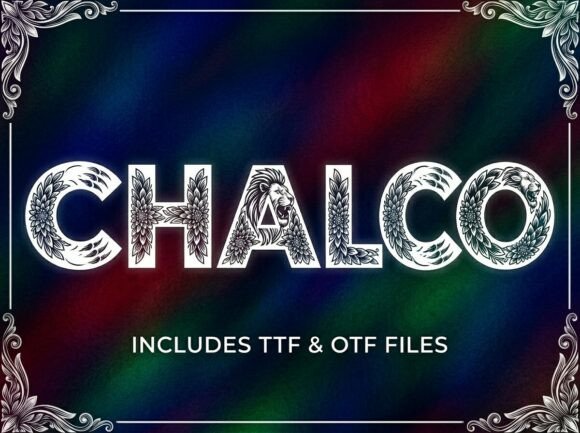
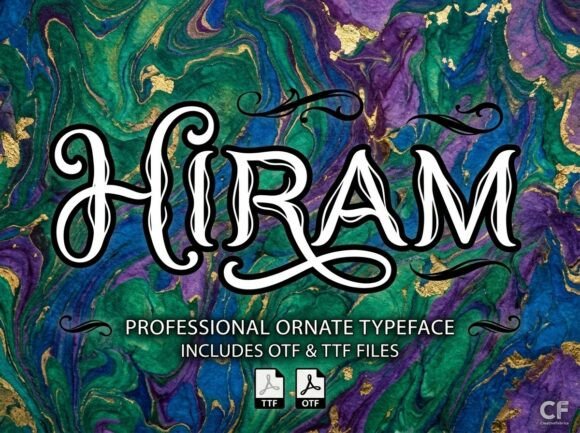
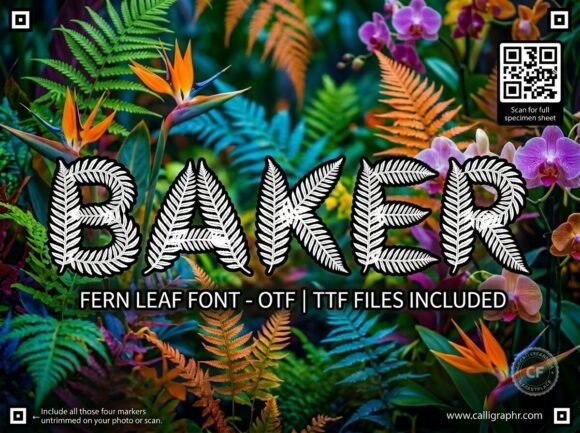
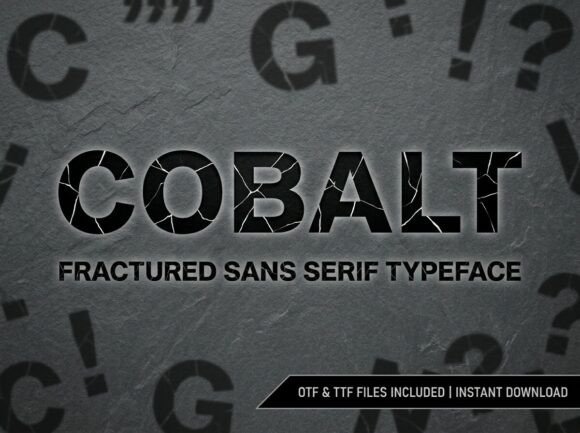
Cobalt is a stunning decorative display font with a strong, unique visual personality. Its letterforms feature distinct artistic elements that break away from the ordinary. Every character is crafted to be a miniature work of art, which is why it’s an all-caps typeface. This isn’t a limitation—it’s a feature. For high-impact headlines, logos, and decorative initials, the consistent uppercase style ensures a cohesive, powerful look where each letter contributes to the overall aesthetic strength.
Where Cobalt Truly Shines in Your Projects
The versatility of a creative font like Cobalt is found in its application across various creative fields. It’s a design asset that can elevate projects for designers, entrepreneurs, and creators alike. In logo design, Cobalt provides the distinctive character needed for a brand to be instantly recognizable. Its polished finish means it works for both artistic ventures and more corporate identities that want to project confidence.
For packaging design, this typeface grabs shelf attention. Imagine a bold product name on a coffee bag, a cosmetic box, or a craft beverage label—the font’s visual hierarchy is immediate. In editorial design, a Cobalt headline on a magazine cover or a chapter opener creates a strong focal point. It’s equally effective in the digital space for website hero sections, impactful social media graphics, and promotional banners where you need to stop the scroll.
Practical Guidance for Choosing and Using Cobalt
Before you integrate Cobalt into your next project, a bit of practical evaluation is key. First, always test the font with your specific copy. Because it’s a display typeface, its readability is optimized for short bursts of text at larger sizes. See how it looks with your actual headline or brand name. Does the letter spacing feel right? Does the style match the tone of your brand identity—whether that’s modern, artistic, or sophisticated?
Next, consider font pairing. Cobalt’s strong personality means it often works best with a simpler, more neutral companion for any supporting text. A clean sans serif font or a classic serif font for body copy can provide a beautiful contrast, allowing Cobalt to be the star without overwhelming the viewer. This pairing is crucial for maintaining professionalism and readability across your layout.
You’ll receive two standard file types: OTF and TTF. The OTF file is the professional standard for advanced design software like Adobe Illustrator or InDesign, offering the highest quality. The TTF file ensures universal compatibility, making it easy to install and use across different devices and applications. This makes Cobalt a versatile component of your design assets library, ready for both print and digital projects.
Finally, review the licensing for your intended use. Cobalt is a commercial font, so understanding the terms ensures you can use it confidently in client work, merchandise, or digital products. It’s designed for creators who want to make a mark, and using it correctly is part of that professional approach.
Making a Lasting Impression with Typography
The fonts you choose are silent ambassadors for your brand. A typeface like Cobalt influences perception before a single word is read. Its strong visual personality can convey creativity, boldness, and attention to detail. This affects audience engagement; a well-chosen display font makes content feel more curated and intentional, which builds trust and recognition.
Remember, modern typography is about using the right tool for the right job. Cobalt isn’t for every line of text on your website. But for that crucial headline, that iconic logo, or that standout title, it delivers a level of visual impact that more ordinary fonts simply can’t match. It’s a strategic choice for anyone looking to break from the ordinary and give their work a distinct, professional edge.